I wanted to build a radar device for blind and deaf people. Not because I'm especially noble or had some grand mission. I just thought the idea was super cool. The technical challenge excited me—using radar to map surroundings and present that information through touch.
What I Tried
I built one overly simplistic prototype. Applied for a competition. Got excited about the possibilities.
I think I was mostly excited by the technology itself. Making something that could "see" with radar and present that through touch—that fascinated me. The blind people part was secondary, if I'm being honest.
At one point, I thought maybe I could break the technology into three smaller products. Get them funded separately. Another naive idea, but it did get me a pitch deck presentation. That was a good experience.
From My Archive
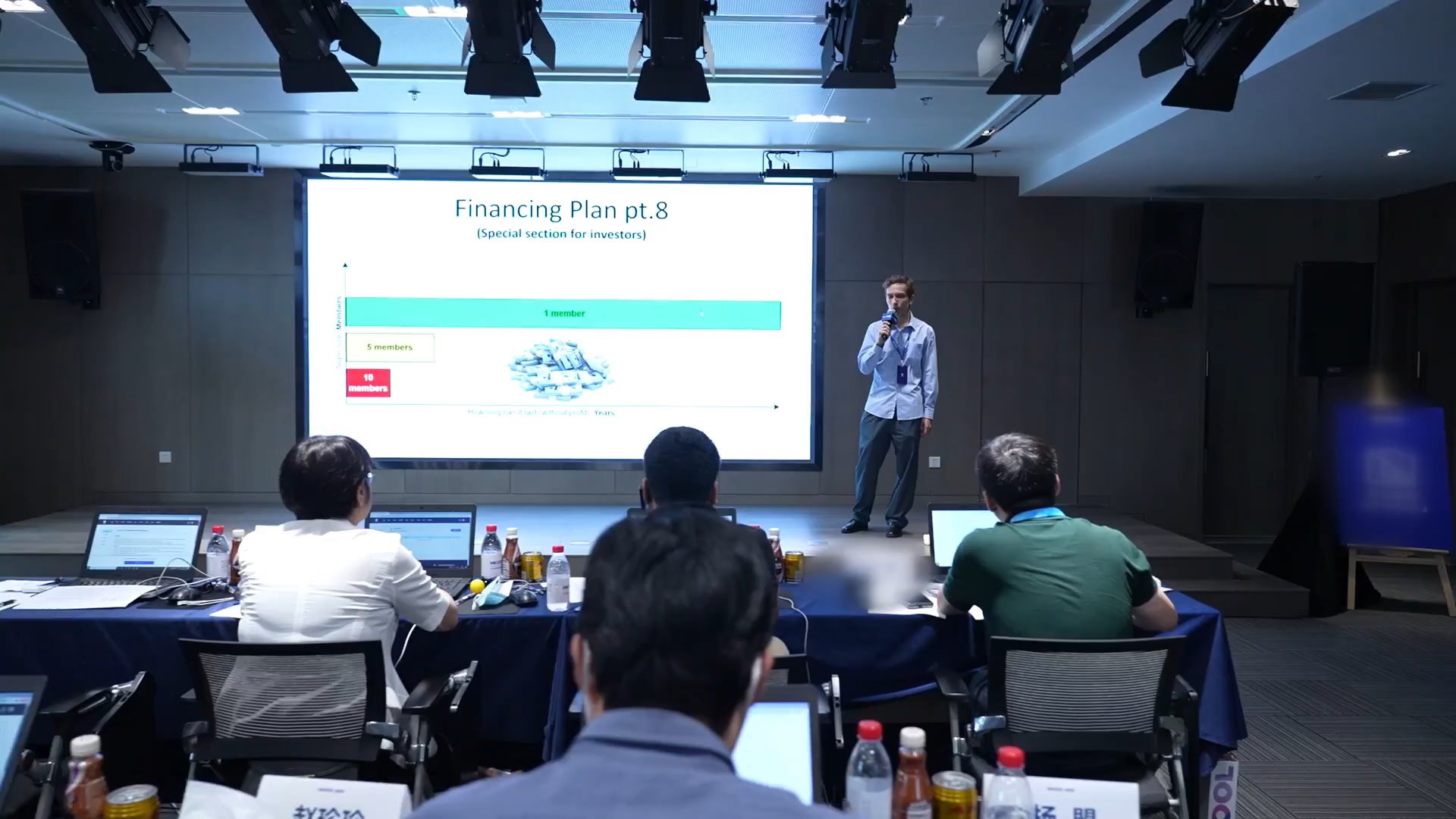
Some images from the project. Click to view larger.
What I Actually Learned
The most important thing I learned didn't come from engineering books or competitions. It came from talking to a blind man.
Csapo Endre
Blind electronics enthusiast who helped me understand
Csapo explained things I never considered. Like how the skin on the back of the body has enough resolution to feel detailed tactile maps. This is why braille works on fingertips, and why similar technology could work on the back.
He told me about dynamic braille displays—devices that use pins that pop up and down to form braille characters. The technology for my radar idea would be similar: an array of pins on a vest that would create a tactile map of the surroundings.
"The back is sensitive enough. We already have the technology in braille displays. The challenge isn't the resolution—it's making it practical, comfortable, and actually useful in daily life."
- Based on conversations with Csapo Endre
He also explained why my initial idea of audio feedback was bad: blind people listen to their environment constantly. Echoes, traffic sounds, footsteps—these are crucial navigation tools. Adding more audio would interfere with that.
Where I Ended Up
I don't work on this anymore. I felt disappointed for a while becauseI've realized something more fundamental.
The world is full of interesting problems and few resources to solve them.
Looking back, I think my motivation was mostly selfish. I wanted to build this because the technology fascinated me. I wanted to see it work. I wanted to enjoy knowing it was being used. The "helping people" part was real, but it wasn't the main driver.
And that's okay, I think. Maybe the most honest projects come from genuine curiosity rather than forced altruism.
Csapo gave me permission to mention him. He wrote:
"Yes, generally speaking I am fairly well. You may have my permission granted for mentioning my name as a private advisor in the early development process. I wish you success with your business plans."
- Csapo Endre, via email
I appreciate that. His insights were the most valuable part of the whole experience.
So that's the story. I tried to build something. It didn't work out. I learned some things about technology, some things about accessibility, and some things about myself.
The idea of a radar vest that lets you "feel" your surroundings is still cool to me. Maybe someone else will build it someday. Or maybe the world doesn't need it. I don't know.
I just know I enjoyed thinking about it, and I'm grateful to the people who helped me think more clearly.